
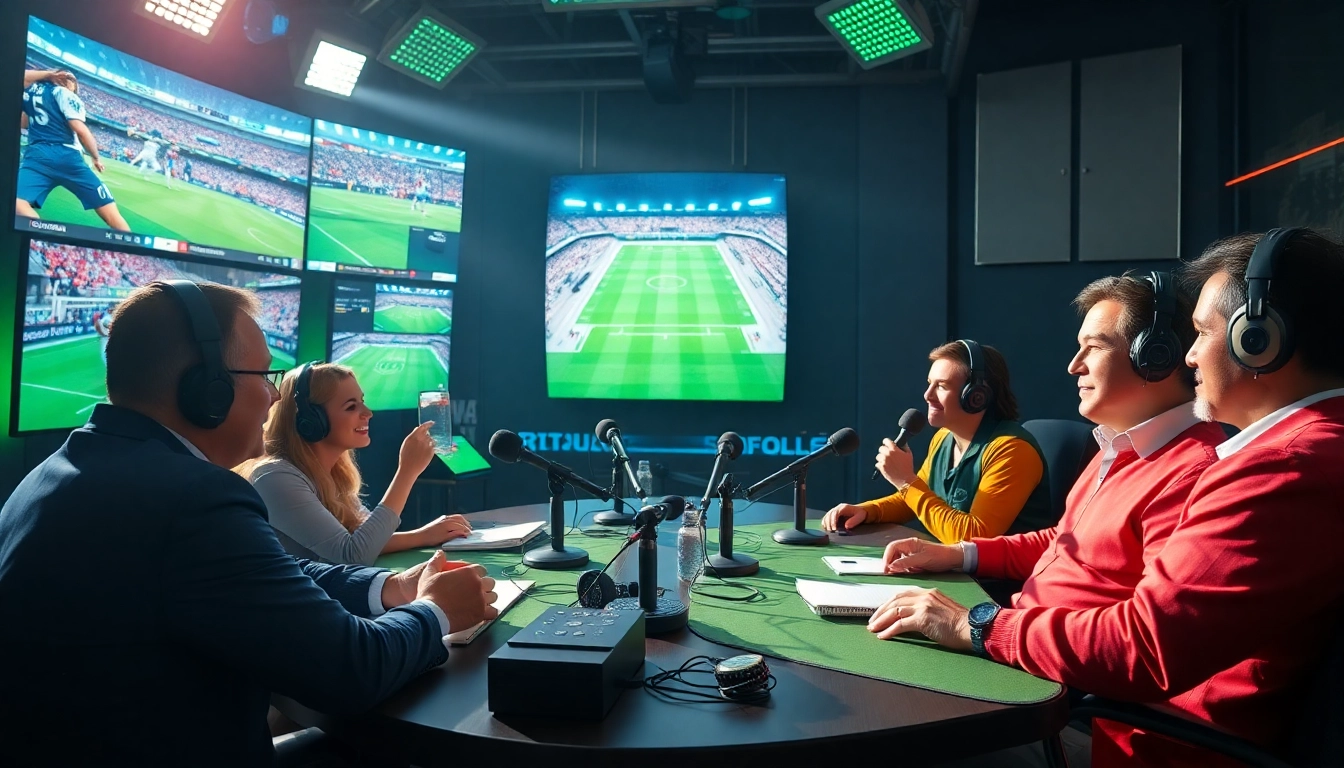
Introduction to Sports Broadcasting
What is Sports Broadcasting?
Sports Broadcasting is the transmission of live sports events over various media, including television, radio, and digital platforms. This captivating industry allows fans to engage with their favorite sports teams and athletes in real-time, bringing the thrill of competition straight into their homes. Beyond mere coverage, sports broadcasting involves commentary, analysis, and the behind-the-scenes narratives that enhance the viewer’s experience. As the audience continues to grow, the relevance of Sports Broadcasting expands, shaping the dynamics of how sports are consumed today.
Evolution of Sports Broadcasting
The journey of sports broadcasting is characterized by significant technological advancements and changing consumer preferences. It started in the early 20th century when radio became the primary medium for delivering sports updates. By the 1930s, the introduction of television transformed the landscape of sports coverage, allowing fans to witness events as they unfolded visually. Color broadcasting in the 1960s further enhanced the experience, making it more vibrant and engaging.
Today, the advent of the internet revolutionizes sports broadcasting with streaming services and on-demand content. This evolution signifies a shift from traditional broadcasting to a more accessible model, allowing fans across the globe to follow their favorite events on various devices anytime and anywhere.
The Role of Technology in Sports Broadcasting
Technology is the backbone of modern sports broadcasting, influencing everything from how events are covered to the quality of content delivered. High-definition cameras and advanced production equipment allow for crystal-clear visuals and immersive experiences. Moreover, innovations like drone footage provide unique aerial views of events, enhancing storytelling.
Digital platforms facilitate live streaming, enabling fans to experience interactive features such as instant replays and multi-view angles. Data analytics plays a crucial role in enhancing broadcasts by providing real-time statistics that inform commentary and enrich viewer understanding. This synergy between sports and technology continues to shape audience expectations and engagement levels.
Understanding the Audience in Sports Broadcasting
Demographics of Sports Viewers
Understanding the audience is critical for successful sports broadcasting. Viewers are diversely segmented by age, gender, location, and sport preferences. Typically, younger audiences (ages 18-34) are more inclined to consume sports through digital platforms, while older demographics may prefer traditional broadcasts. Gender dynamics also play a role, as different sports appeal to different genders, influencing sponsorships and marketing strategies.
Geographical location influences preferences, with regional sports networks becoming increasingly popular as they cater to local teams, further engaging community connectedness. Data collection and analysis of viewer habits help broadcasters tailor their content and advertising strategies to meet the needs of these segmented audiences.
Engaging Sports Broadcasting Fans
Engagement goes well beyond just airing a game; it involves creating a multi-faceted experience for fans. This can include interactive social media campaigns, live chats during games, and gamified experiences that engage the audience in unique ways. Involving fans in discussions, polls, and real-time interactions fosters a strong community and keeps viewers returning.
Broadcasters should utilize narrative storytelling to create emotional connections, highlighting players’ journeys and underdog stories that resonate with audiences. Engaging content, such as pre-game shows, post-match analyses, and interviews, enhances overall viewer experience, keeping audiences enthralled beyond the game itself.
Utilizing Feedback for Improvement
Feedback is invaluable in sports broadcasting. Gathering audience responses through surveys, social media interaction, and analytics can pinpoint what content resonates with viewers. This feedback loop enables broadcasters to refine their strategies and adapt to viewer preferences efficiently. Furthermore, leveraging metrics like viewer retention rates, time spent watching, and social media engagement provide insights into performance and areas needing improvement.
Informed adjustments to programming can lead to better alignment with audience expectations, ultimately fostering viewer loyalty and sustained engagement over time.
Key Components of Sports Broadcasting
Adequate Equipment for Quality Broadcasts
Quality equipment is paramount in delivering a top-notch broadcast. From high-definition cameras to sound systems, the right tools can make or break the viewer’s experience. Broadcasts should utilize multiple camera angles, often coupled with advanced technologies like 4K and virtual reality, providing audiences with an immersive viewing experience.
Production teams should invest in cutting-edge graphics technology to present statistics and information engagingly. Consistent quality equipment and technology updates are essential to maintaining broadcast relevance and viewer satisfaction.
Production Planning and Logistics
Behind every successful broadcast is meticulous planning and logistics management. From obtaining rights to cover specific events to organizing the venue layout and scheduling crew shifts, every detail matters. Production teams must coordinate tightly to ensure seamless transitions throughout the broadcast, including commentary segments, graphics implementation, and live interviews.
Moreover, contingency plans addressing technical failures or unexpected challenges are crucial. Developing an efficient logistics framework guarantees preparedness, ensuring that the broadcast remains smooth and engaging even under duress.
Content Creation and Delivery Strategies
Content is king in sports broadcasting. Effective content creation involves crafting storytelling that celebrates the sport, the players, and the context behind events. Broadcasters should focus on delivering diverse content, including highlights, live coverage, and feature segments that enrich the viewing experience. Content should also utilize various formats—video, audio, and articles—to cater to different audience preferences.
The timing of content delivery is equally important. Scheduling broadcasts during high-traffic periods, such as major game days or events where audience engagement is likely to spike, can significantly increase viewership and interaction rates.
Challenges Faced in Sports Broadcasting
Technical Difficulties During Live Events
Live events present unique challenges, where technical difficulties can jeopardize the entire broadcast. Image freezes, sound issues, or transmission failures can lead to frustrated viewers and reputational damage for the network. To mitigate such risks, thorough rehearsal and testing of equipment before the event is vital.
Investment in redundant systems—backup power supplies and alternative transmission methods—can significantly alleviate potential disruptions, ensuring a smooth viewing experience even in unexpected situations.
Maintaining Viewership and Engagement
With an increasing number of entertainment options available, keeping viewer interest can be challenging. Broadcasters need to innovate continuously, exploring new audience engagement strategies such as interactive content, audience participation, and diversified programming. Establishing a unique brand identity can also attract viewers who seek specialized sports content that fits their interests.
Moreover, competitive pricing for subscription services or exclusive event access can further entice audiences, helping networks to retain and grow their viewer base amidst fierce competition.
The Future of Sports Broadcasting Challenges
As the landscape evolves, broadcasters must navigate several emerging challenges. Competition from alternative media, the shift towards streaming, and the need for personalized content are all on the horizon. Adapting to technological advancements while maintaining high-quality broadcasts poses significant challenges that require strategic foresight and agility.
Additionally, understanding regulatory changes and navigating rights deals and agreements are crucial for sustaining long-term relationships with sponsors, leagues, and audiences alike.
Measuring Success in Sports Broadcasting
Key Metrics to Track Performance
Success in sports broadcasting hinges on quantifiable metrics that reflect viewer engagement and satisfaction. Key performance indicators (KPIs) include viewer ratings, reach, engagement levels on platforms, and advertising revenue. Tracking these metrics over time allows broadcasters to gauge performance, identify trends, and spot areas for improvement.
Tools such as audience measurement services and social media engagement analytics provide insights into viewer behavior, enabling networks to adjust content and strategies effectively based on real-world performance.
Analyzing Audience Reach and Engagement
Broadcasters must analyze not just how many people are watching, but also how deeply they are engaging with the content. This includes examining viewer demographics, the duration of viewership, and peak engagement times. Engaging with analytics platforms can offer granular insights into which segments of the audience are tuning in and their feedback on various broadcasts.
Broadcasters can capture audience interest trends, adjusting their programming approach to better align with viewer preferences and ultimately enhancing the overall broadcast experience.
Adapting Strategies Based on Performance Data
Data-driven decision-making is crucial in refining broadcasting strategies. Continuous analysis of performance data allows networks to adapt and pivot in real-time, responding quickly to changes in audience preferences and technological advancements. Utilizing audience feedback, performance metrics, and engagement insights, broadcasters can iterate on their content strategies, ensuring they remain relevant and engaging to viewers.
Investing in data analytics capabilities facilitates proactive strategy adjustments, ultimately allowing for a more effective and responsive broadcasting model that resonates with fans.
FAQs About Sports Broadcasting
What is the difference between sports broadcasting and sports journalism?
Sports broadcasting focuses on the live transmission and commentary of sports events, while sports journalism encompasses reporting on events, athletes, and analyzing sports-related news and stories.
How has technology changed sports broadcasting?
Technology has made sports broadcasting more dynamic through high-definition visuals, interactive features, and data analytics, providing viewers with immersive experiences and real-time statistics.
What key metrics should I track for a successful sports broadcast?
Important metrics include viewer ratings, engagement levels, audience retention rates, social media interaction, and advertising revenue, informing content and strategy adjustments.
Are there any challenges unique to live sports broadcasting?
Yes, live broadcasts face challenges like technical difficulties, audience engagement, and competition from numerous media outlets, requiring agile responses to each situation.
How do broadcasters engage with their audience effectively?
Broadcasters can engage audiences through interactive content, social media campaigns, personalized programming, and establishing emotional connections through storytelling.